Physical Performance
Bounce back stronger.
Strength, stamina, mobility and recovery all change for a reason. A provider can help you figure out what’s holding you back.
Start with a consult. You don’t need a diagnosis to book one.

Options for this goal
What can help with physical performance
Treatment options
- SermorelinBody Composition & AestheticsSleep & EnergyStress & Recovery
- NAD+Body Composition & AestheticsCognitive HealthSleep & Energy
- BPC-157AvailableBeing studied for tissue repair
- TB-500AvailableBeing studied for recovery and mobility
- CJC-1295 / IpamorelinAvailableBeing studied for recovery support
Peptides are prepared by licensed compounding pharmacies and are not FDA-approved. A prescription requires a provider evaluation and isn’t guaranteed. Not available in all states. Peptides marked “Coming soon” aren’t available yet.
Available without a prescription
These statements have not been evaluated by the Food and Drug Administration. These products are not intended to diagnose, treat, cure, or prevent any disease.
What we look at in physical performance
Part of the Ivím 360 framework, the way your care team tracks how you feel across every area of health.
Strength and power
How much force you can generate, and whether you’re progressing.
Endurance and stamina
How long you can keep going, in a workout and across a day.
Mobility and flexibility
Range of motion and ease of movement.
Coordination and balance
Control and stability as you move.
Physical recovery
How quickly your muscles recover and you feel ready again.
Where slower recovery actually comes from
Most people assume it’s age. Sometimes that’s right. Sometimes recovery slows because something measurable changed, and a provider can find it.

Protein and nutrition
Muscle repair depends on protein, and protein intake often falls when overall eating falls. It’s one of the easier things to check.
Hormones
Testosterone, estrogen, and thyroid all affect how muscle is maintained and repaired. Levels shift over time in both men and women, and they’re measurable.
Sleep
Most tissue repair happens while you sleep. Poor sleep slows recovery, and it can go on for months without anyone catching it.
Weight and body composition
Losing weight can change muscle as well as fat. Your provider can help you protect strength while you lose.
One care team, looking at all of it
Your history, your labs, and your treatment, all in one place.

Weight Loss
Protecting muscle is part of losing weight well. Your provider watches for it and can adjust your plan.

Women’s Hormone Health
Changes in strength and recovery often show up alongside other hormone symptoms, and they’re worth mentioning together.

Men’s Hormone Health
Testosterone affects muscle and recovery. Ivím looks at your labs alongside how you actually feel.
Prescription options
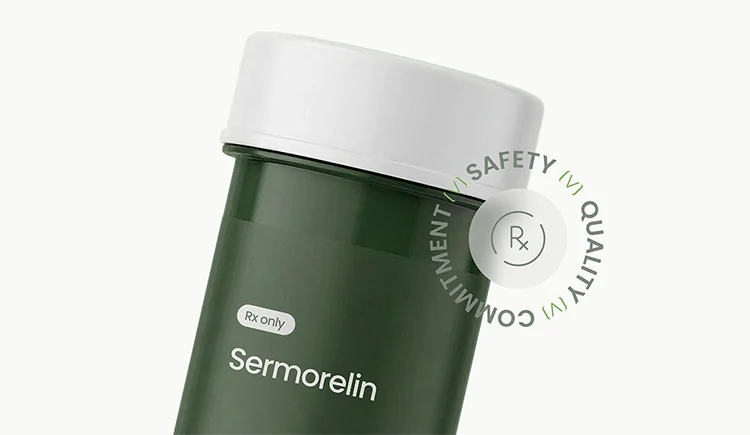
Prescription options may include compounded medications. Compounded drugs are permitted under federal law but are not FDA-approved and are not reviewed by the FDA for safety, effectiveness, or quality. Prescription required after provider evaluation. Not available in all states.
Available without a prescription
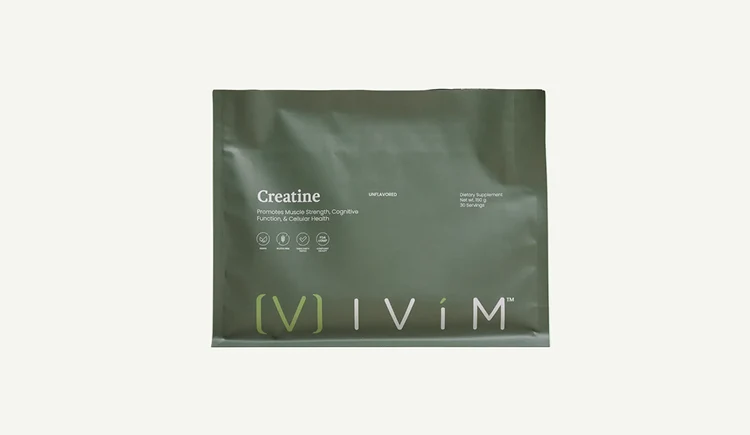
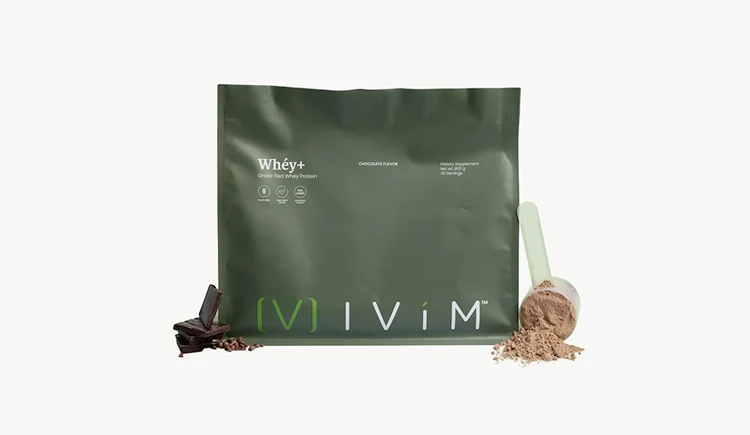
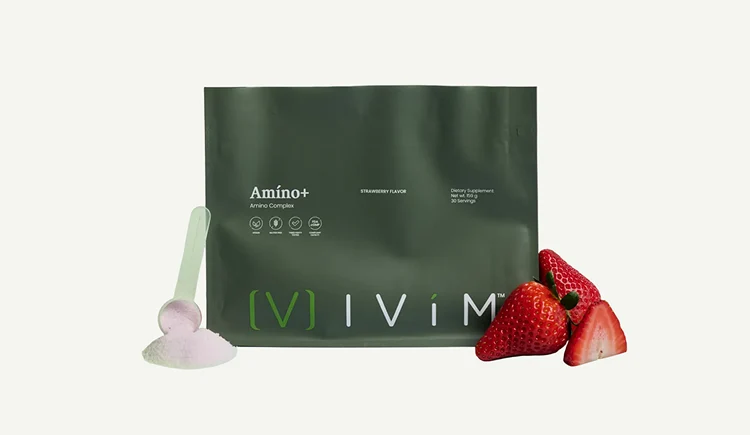
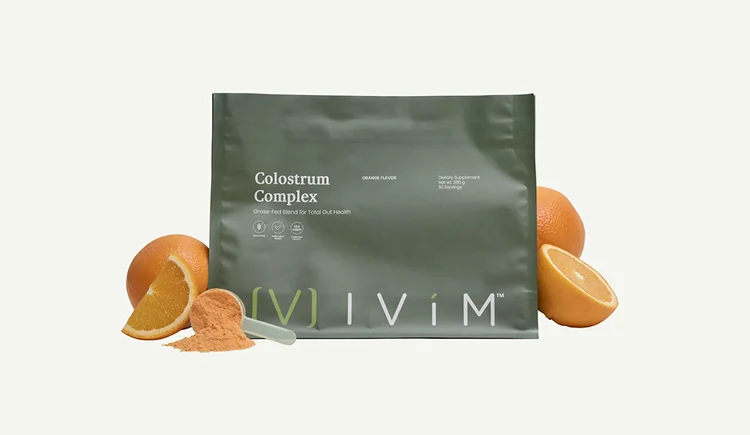
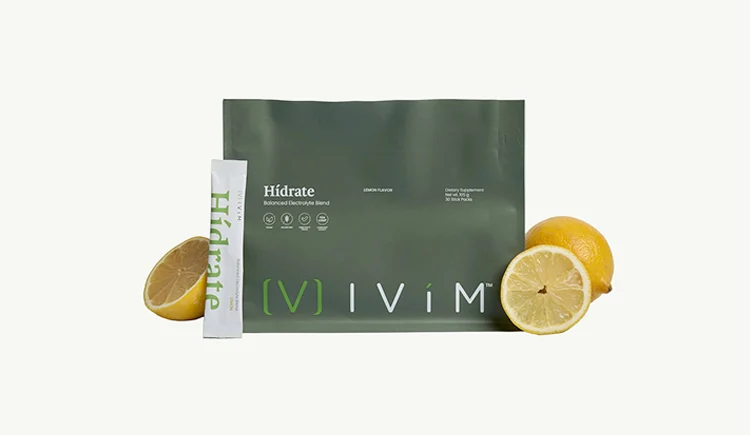
These statements have not been evaluated by the Food and Drug Administration. This product is not intended to diagnose, treat, cure, or prevent any disease.
How care at Ivím works
Tell us what’s going on.
Your health history, what you’ve been noticing, and what you want to work on.
Meet your provider.
A licensed Ivím provider reviews it with you and talks through what’s worth looking at.
Get a plan built for you.
Treatment when it’s appropriate, along with guidance on nutrition, movement, sleep, and stress.
Keep going.
Your care team stays with you between visits, and your plan changes as your needs do. Ivím membership gives you access to your care team and to Ivím’s programs. Medication is billed separately.
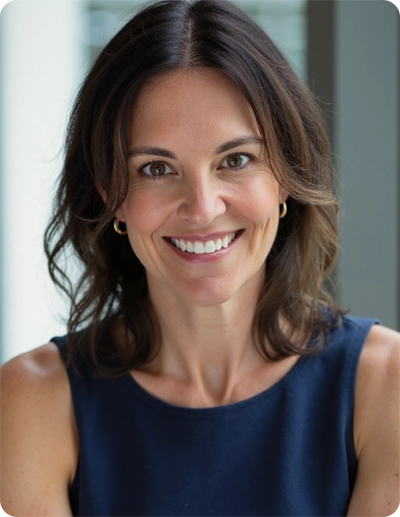
Jessica Duncan, MD · Chief Medical Officer
“Slower recovery may get blamed on age, and sometimes that’s fair. But nutrition, hormones, and sleep all affect how your body repairs, and all of them deserve consideration. When you’re losing weight, I want to protect your strength, not just the number on the scale. That’s the part that often gets forgotten.”
Jessica Duncan, MD, DABOM Chief Medical Officer